

+212 669-844184
Atlas Mountain Range is founded by native mountain guide Hafid Saidi, operating authentic guided treks, Toubkal climbs, and cultural expeditions from Imlil for over 20 years with licensed local guides.
Guide CredentialsClear answers to common questions about fitness levels, guides, safety, weather, and booking logistics.
Clear answers to common questions about fitness levels, guides, safety, weather, and booking logistics.
Here are direct, unfiltered answers to the questions travelers ask our Imlil basecamp team most frequently.
You do not need technical mountaineering skills in summer, but you must have solid cardiovascular endurance. The summit day entails an 1,000-meter vertical ascent over loose scree at high altitude, followed by a 2,200-meter descent all the way back to Imlil. Regular hiking, cycling, or stair climbing prior to arrival is strongly advised.
No. Moroccan authorities legally mandate that all international trekkers on the Toubkal massif and adjacent high trails must be accompanied by an accredited mountain guide. Checkpoints at Aroumd and Sidi Chamarouch will turn back unaccompanied hikers.
April to June: Mild temperatures, wildflowers blooming across Ourika and Ouirgane, snow melting on the high passes.
September to November: Crisp clear air, stable weather, and comfortable trekking conditions.
July to August: Hot in the foothills (Marrakech can exceed 40°C), but pleasant above 2,500 m.
December to March: Winter mountaineering conditions with snow and crampons required for high summits.
Our Berber trek cooks prepare hot, fresh meals: vegetable and chicken tagines, Berber omelettes, hearty harira soup, couscous, fresh seasonal fruit, Moroccan mint tea, and bread baked daily in traditional ovens. Vegetarian, vegan, and gluten-free diets are easily catered for upon advance request.
Imlil is 65 km south of Marrakech (approx. 90 minutes drive). Private air-conditioned transfers can be arranged directly to your riad or hotel doorstep, or shared Grand Taxis depart from Marrakech’s Bab er-Rob station to Asni, where you change for an Imlil local taxi.
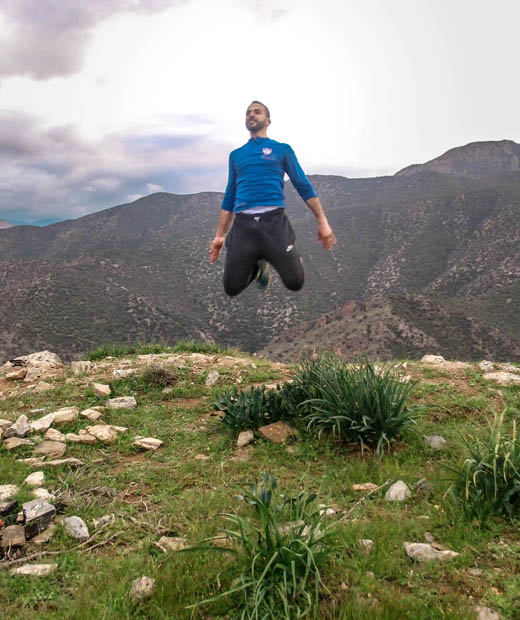
Certified High Atlas Mountain Guide (Federation Royale Marocaine de Ski et Montagne)
CertifiedDirect local advice for route planning, mule support, winter permits, and gîte reservations across Toubkal & valleys.
Chat on WhatsAppتواصل مباشرة مع مكتبنا الميداني في إمليل لبرامج مخصصة لقمة توبقال، نزهات عائلية في الوديان، وخدمات البغال واللوجستيات.