Morocco’s dramatic High Atlas Mountains offer a captivating playground for international travelers seeking authentic cultural immersion and breathtaking landscapes. When planning your Moroccan adventure, understanding the seasonal climate variations across the atlas mountain range Morocco is essential for crafting the perfect itinerary. As specialists in delivering tailored travel and event solutions, we recognize how the distinct weather patterns transform this majestic terrain throughout the year, influencing everything from hiking opportunities to cultural festivals. This comprehensive guide walks you through each season’s unique characteristics, helping you determine the ideal time to experience Morocco’s mountain majesty.
Step-by-Step Instructions: Navigating the Seasons
Spring (March-May)
1. Early Spring Preparation: Pack layers for temperature fluctuations (8-22°C/46-72°F)
2. Mid-Spring Activities: Book guided treks to witness wildflowers carpeting mountainsides
3. Festival Planning: Align your visit with traditional Berber spring celebrations
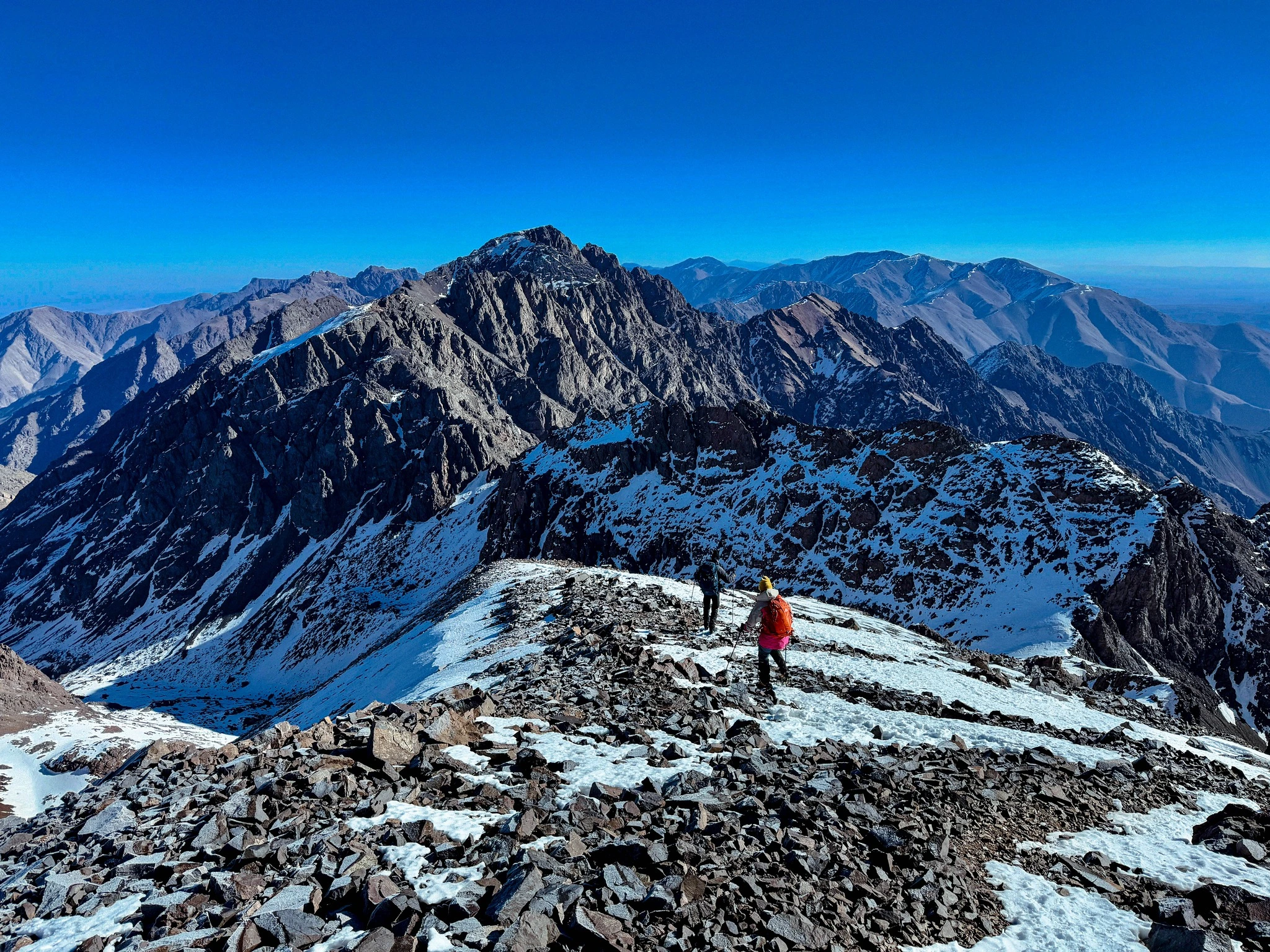
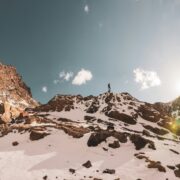
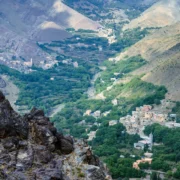
4. Photography Opportunities: Schedule morning shoots when the atlas mountain range Morocco emerges from winter, displaying dramatic contrasts between snow-capped peaks and blooming valleys
Summer (June-August)
1. Heat Management: Begin mountain activities before 8am when temperatures remain moderate
2. Altitude Considerations: Allow 2-3 days for acclimatization before attempting higher elevations
3. Water Requirements: Carry minimum 3 liters per person for day hikes
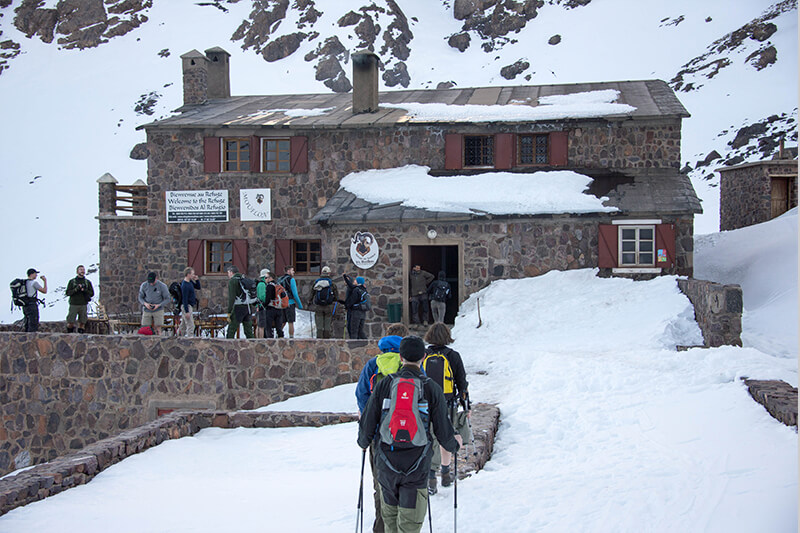
4. Accommodation Selection: Book mountain lodges or kasbahs with natural cooling features
5. Cultural Immersion: Participate in summer harvest rituals when delivering tailored travel and event solutions becomes most rewarding
Autumn (September-November)
1. Timing Your Visit: Target late September through October for ideal hiking conditions
2. Packing Essentials: Include warm clothing for evening temperature drops (5-10°C/41-50°F)
3. Culinary Experiences: Arrange meals featuring seasonal mountain produce
4. Photography Planning: Capture golden valley light during mid-afternoon hours
5. Transportation Arrangements: Secure 4×4 vehicles for remote village access
Winter (December-February)
1. Safety Precautions: Monitor weather forecasts daily as conditions change rapidly
2. Equipment Requirements: Arrange proper winter gear for high-altitude exploration
3. Route Selection: Choose lower elevation paths unless experienced with winter trekking
4. Accommodation Verification: Confirm heating availability in mountain accommodations
5. Cultural Calendar: Align visits with winter festivals in protected valley communities
Tips for Weather-Responsive Planning
- Engage local guides familiar with microclimate variations across different valleys
- Build flexibility into your itinerary to accommodate unexpected weather changes
- Pack clothing for conditions 10°C colder than forecasted at mountain elevations
- Consider valley-based accommodations during extreme weather periods
- Research traditional weather prediction methods used by Berber communities
- Schedule rest days to coincide with typical afternoon weather patterns
Alternative Methods: Seasonal Experiences Beyond Trekking
- Winter Cultural Immersion: Participate in traditional carpet-weaving workshops in snow-protected villages
- Spring Botanical Experiences: Join guided medicinal plant walks with local herbalists
- Summer Astronomy: Arrange nighttime stargazing expeditions in remote mountain locations
- Autumn Culinary Journey: Experience walnut and apple harvests in mountain orchards
- Year-round Photography: Book specialized photography tours targeting seasonal light conditions
Conclusion
Mastering the weather patterns of the atlas mountain range Morocco transforms your travel experience from merely scenic to truly extraordinary. By aligning your activities with seasonal conditions, you’ll discover authentic cultural connections impossible to access through standard tourism approaches. Whether you’re seeking adventure sports, cultural festivals, or photographic opportunities, delivering tailored travel and event solutions requires this intimate understanding of mountain weather rhythms. Embrace the changing moods of these ancient peaks, and you’ll uncover the true soul of Morocco’s mountain heritage, where every season reveals new dimensions of this remarkable landscape.