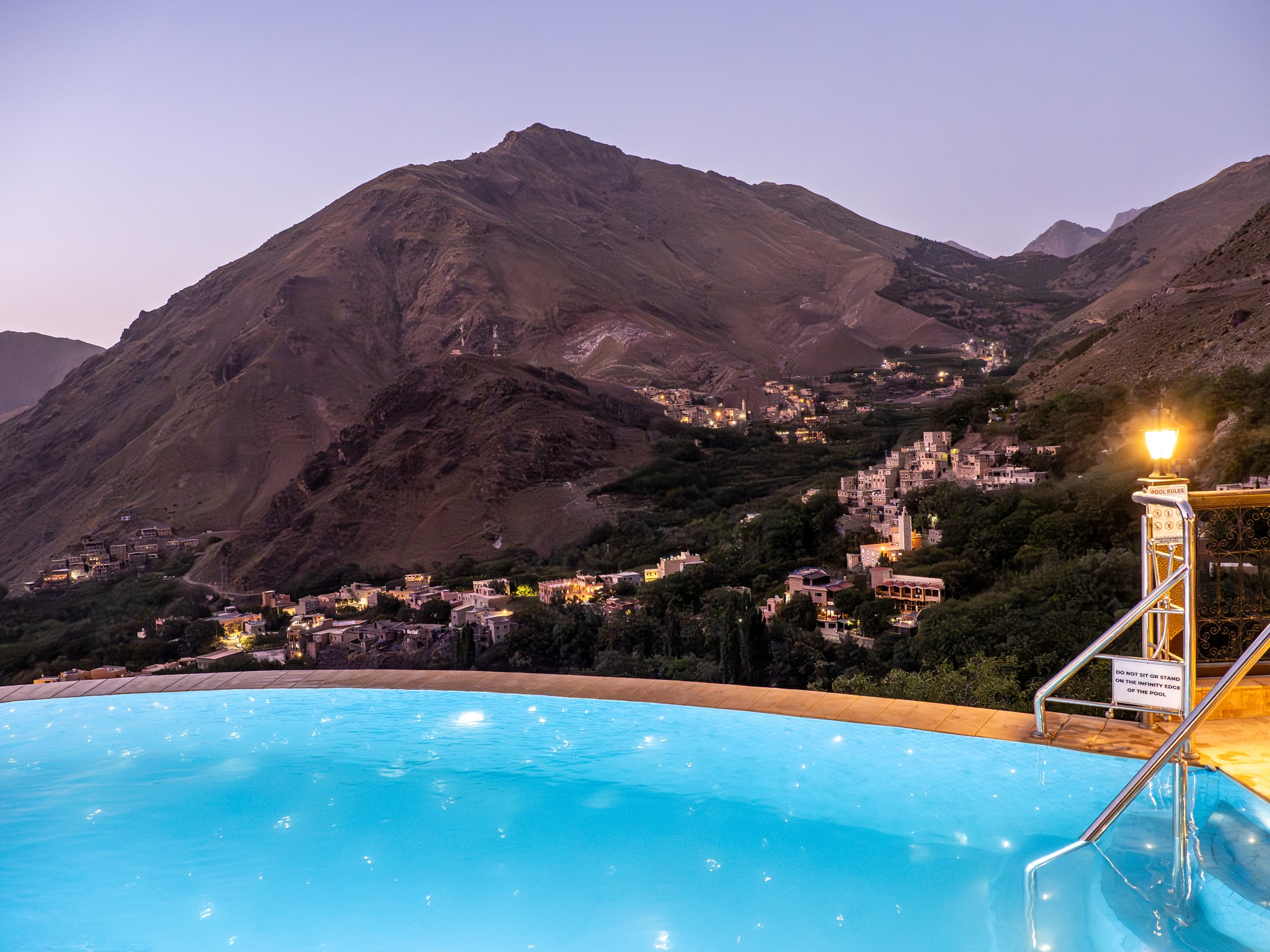
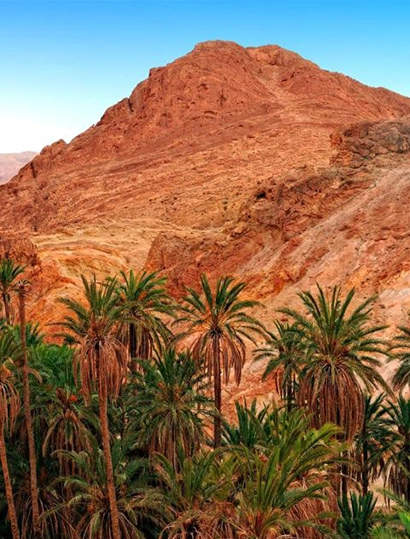
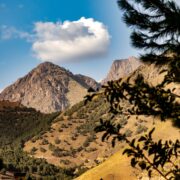
The High Atlas Mountains Morocco offer an unparalleled journey into the heart of North Africa’s most dramatic landscapes. This majestic mountain range, stretching across central Morocco, provides travelers with a unique blend of natural beauty, traditional Berber culture, and authentic experiences that few destinations can match.
Step-by-Step Instructions for Planning Your High Atlas Adventure
Begin your journey by choosing the right base. Marrakech serves as the perfect gateway to the High Atlas Mountains Morocco, offering convenient access to mountain trails and cultural sites. From here, you can organize guided treks, hire local guides, or arrange transportation to more remote areas of the range.
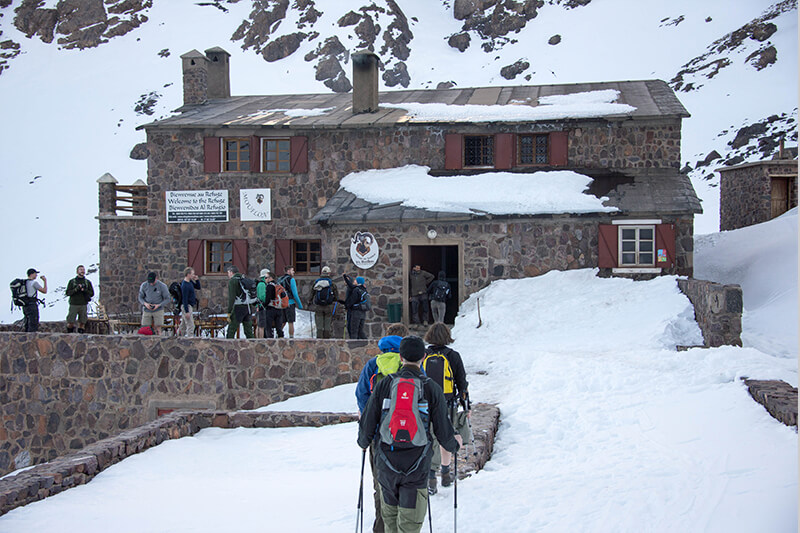
Next, decide on your preferred activities. The High Atlas Mountains Morocco cater to various interests – from challenging multi-day treks to leisurely village walks. Popular routes include the ascent of Mount Toubkal, North Africa’s highest peak, or exploring the scenic Ourika Valley with its waterfalls and traditional markets.
Finally, immerse yourself in local culture by staying in mountain guesthouses or homestays. These accommodations not only provide comfort but also offer insights into Berber traditions and cuisine. Many travelers find that engaging with local communities enhances their understanding of the High Atlas Mountains Morocco beyond its physical beauty.
Tips for an Enriching High Atlas Experience
Timing is crucial when visiting the High Atlas Mountains Morocco. Spring (April to May) and autumn (September to October) offer the most pleasant weather conditions, with mild temperatures and clear skies. Summer can be extremely hot at lower elevations, while winter brings snow to higher peaks, creating opportunities for skiing and snowshoeing.
Pack appropriately for mountain conditions. Even in summer, temperatures can drop significantly at night. Essential items include sturdy hiking boots, layered clothing, sun protection, and plenty of water. Don’t forget a camera to capture the stunning landscapes of the High Atlas Mountains Morocco.
Consider hiring a local guide, especially for longer treks or if you’re unfamiliar with mountain navigation. Local guides not only ensure your safety but also provide valuable cultural insights and help support the mountain communities. Many guides are Berber locals who can share stories and traditions passed down through generations.
Alternative Methods to Explore the High Atlas
For those seeking a less strenuous experience, 4×4 tours offer a comfortable way to explore the High Atlas Mountains Morocco. These guided excursions can take you to remote villages, ancient kasbahs, and scenic viewpoints without the physical demands of trekking.
Cycling enthusiasts might enjoy mountain biking through the lower valleys and foothills of the High Atlas Mountains Morocco. This alternative allows for greater mobility and the chance to cover more ground while still experiencing the mountain environment.
Cultural tours focusing on Berber traditions provide another perspective on the High Atlas Mountains Morocco. These tours often include visits to local artisans, traditional music performances, and cooking classes, offering a deeper understanding of the region’s cultural heritage.
Conclusion
The High Atlas Mountains Morocco represent a unique convergence of natural beauty and cultural richness. Whether you’re an avid trekker, a cultural enthusiast, or simply seeking a break from urban life, this mountain range offers experiences that resonate long after your journey ends. By following this guide and respecting local customs, you’ll be well-prepared to explore one of Morocco’s most captivating regions. Remember, the High Atlas Mountains Morocco are not just a destination but a gateway to understanding the diverse tapestry of Moroccan culture and landscape.