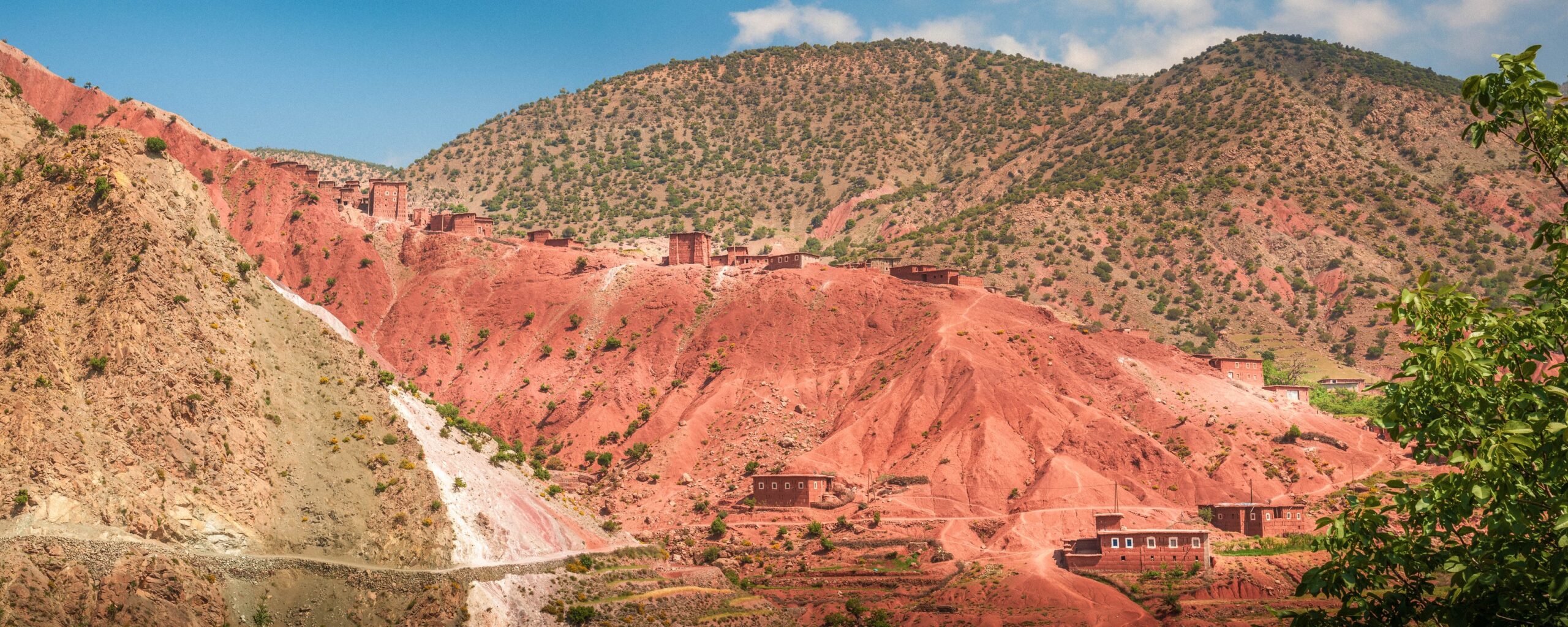
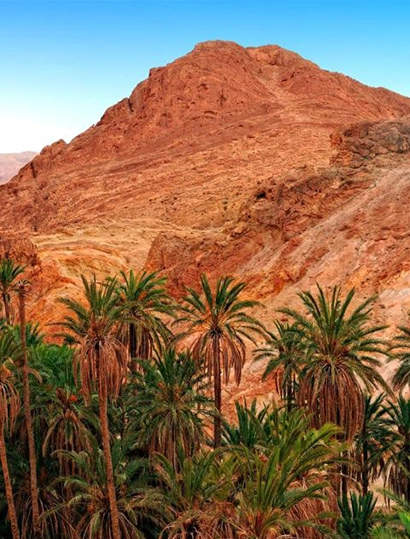
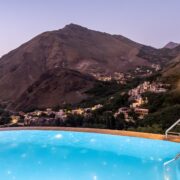
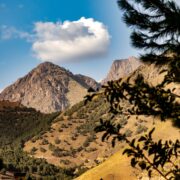
The High Atlas Mountains Morocco offer an unparalleled journey into North Africa’s most dramatic landscapes and cultural treasures. This majestic mountain range stretches across central Morocco, creating a natural barrier between the Atlantic coast and the Sahara Desert. The High Atlas Mountains Morocco represent not just a geographical wonder but a living museum of Berber traditions, ancient trade routes, and breathtaking natural beauty that continues to captivate travelers from around the world.
Step-by-Step Instructions for Exploring the High Atlas Mountains Morocco
Planning Your High Atlas Mountains Morocco Adventure
Begin your journey by selecting the optimal season for your visit. The High Atlas Mountains Morocco experience distinct weather patterns, with spring (March to May) and autumn (September to November) offering the most comfortable temperatures for hiking and exploration. Summer months can be extremely hot, while winter brings snow to higher elevations, creating excellent conditions for skiing in areas like Oukaïmeden.
Transportation and Base Locations
The gateway to the High Atlas Mountains Morocco is Marrakech, located just 60 kilometers from the mountain foothills. From here, you can arrange private transportation, join organized tours, or rent a vehicle to explore the region independently. Popular base locations include Imlil for trekking expeditions, Ourika Valley for day trips, and Ouarzazate for those continuing toward the desert.
Cultural Immersion and Activities
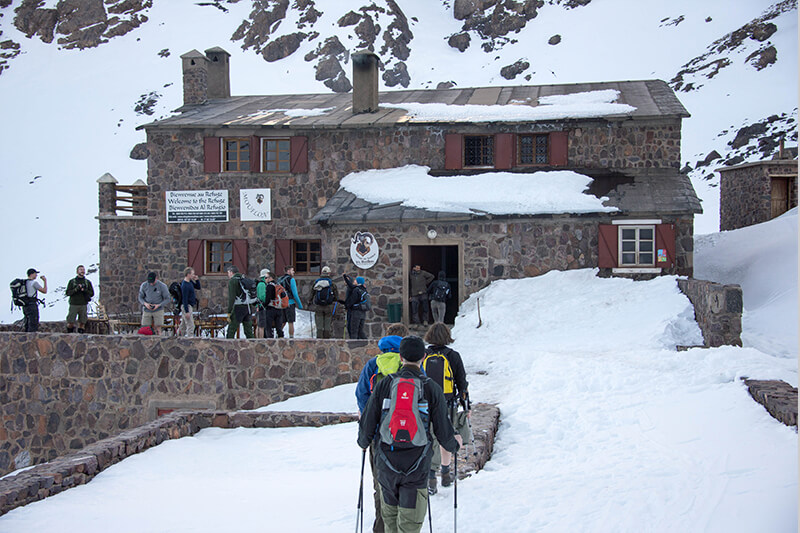
The High Atlas Mountains Morocco are home to indigenous Berber communities who have maintained their traditions for centuries. Engage with local culture by staying in traditional guesthouses (gîtes), participating in cooking classes featuring authentic Berber cuisine, and visiting weekly markets where villagers gather to trade goods and socialize. Hiking remains the primary activity, with routes ranging from easy valley walks to challenging ascents of Mount Toubkal, North Africa’s highest peak at 4,167 meters.
Essential Tips for Your High Atlas Mountains Morocco Journey
Physical Preparation and Safety
The High Atlas Mountains Morocco demand reasonable fitness levels, especially for multi-day treks. Acclimatize properly to prevent altitude sickness, carry sufficient water, and pack layers as mountain weather can change rapidly. Always inform someone of your hiking plans and consider hiring local guides who understand the terrain and weather patterns.
Cultural Sensitivity and Respect
When visiting the High Atlas Mountains Morocco, respect local customs and traditions. The Berber people are known for their hospitality, but modest dress and polite behavior are appreciated. Ask permission before photographing people, and consider learning basic Berber phrases to enhance your interactions with local communities.
Alternative Methods to Experience the High Atlas Mountains Morocco
For those seeking different perspectives of the High Atlas Mountains Morocco, consider these alternative approaches:
Luxury Camping and Glamping
Experience the mountains in comfort through luxury camping options that provide high-end amenities while maintaining proximity to nature. These glamping sites in the High Atlas Mountains Morocco offer gourmet dining, comfortable bedding, and guided activities without sacrificing the wilderness experience.
Cultural Workshops and Artisan Tours
Delve deeper into Berber culture through specialized workshops in traditional crafts such as carpet weaving, pottery making, and argan oil production. These experiences in the High Atlas Mountains Morocco provide insight into centuries-old techniques while supporting local artisans and their communities.
Conclusion
The High Atlas Mountains Morocco represent a perfect blend of adventure, culture, and natural beauty that continues to draw travelers seeking authentic experiences. Whether you’re trekking to Mount Toubkal’s summit, exploring ancient kasbahs, or simply enjoying the hospitality of Berber communities, the High Atlas Mountains Morocco offer something for every type of traveler. This magnificent mountain range serves as both a physical and cultural bridge between Morocco’s diverse landscapes and peoples, making it an essential destination for anyone wanting to understand the true essence of Moroccan heritage and natural wonder.