
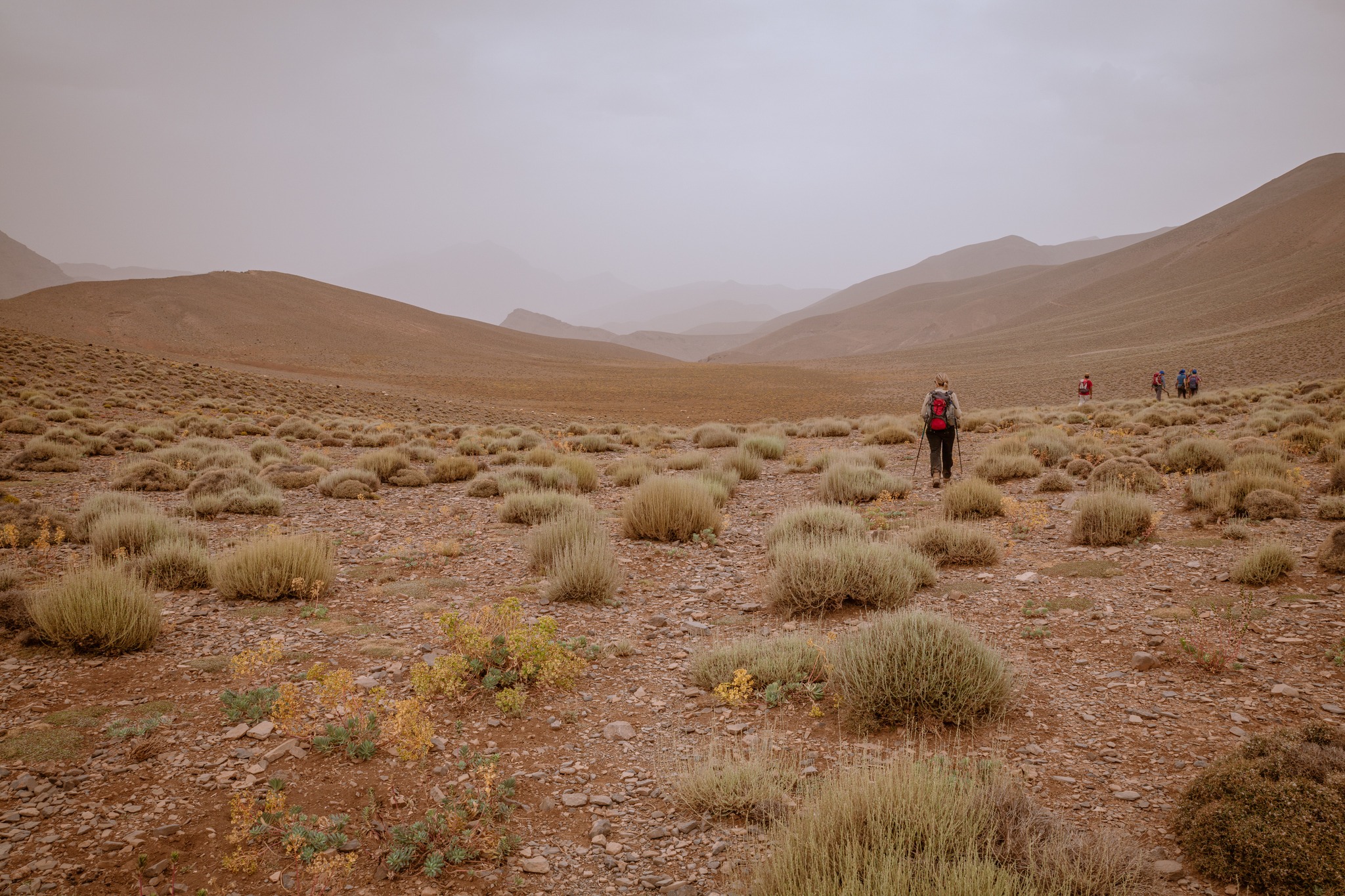
High Atlas Mountains Morocco travel guide
When venturing into Morocco’s diverse landscapes, the High Atlas Mountains stand as majestic sentinels offering transformative travel experiences. As someone who has extensively documented Morocco’s tourism potential, I can attest that a comprehensive High Atlas Mountains Morocco travel guide should emphasize how these ancient peaks form the backbone of authentic cultural tourism. Destination strategy isn’t merely about promoting locations—it’s about curating meaningful connections between travelers and places. For adventure seekers exploring Atlas Mountains hiking trails, the journey transcends physical movement to become a cultural immersion worth strategic investment. This delicate balance of experience design and cultural authenticity forms the foundation of successful destination positioning in today’s competitive global tourism landscape.
Step-by-Step Instructions
1. Identify Your Destination’s Unique Cultural Assets
Begin by cataloguing distinctive elements that cannot be replicated elsewhere. In developing a High Atlas Mountains Morocco travel guide, we emphasize Berber heritage, traditional architecture, and seasonal festivals that differentiate this region from other mountain destinations. Document living traditions, culinary practices, artisanal crafts, and linguistic uniqueness.
2. Map Experiential Touchpoints
Chart potential visitor journeys by identifying key interaction moments. For those traversing Atlas Mountains hiking trails, touchpoints might include tea ceremonies with nomadic families, overnight stays in traditional Berber villages, or guided ethnobotanical walks with local experts. Each touchpoint should deliver authentic cultural value while remaining logistically feasible.
3. Integrate Sustainability Frameworks
Develop preservation strategies that protect cultural assets while accommodating visitor volume. This includes capacity management for vulnerable sites, fair compensation systems for cultural practitioners, and environmental protection measures that align with indigenous stewardship traditions.
4. Design Seasonal Programming
Create calendar-based experiences that showcase different aspects of destination identity throughout the year. Harmonize with natural cycles and traditional festivities to distribute visitation across seasons, reducing pressure during peak periods while highlighting seasonal cultural dimensions.
5. Construct Narrative Architecture
Build compelling storylines that connect disparate experiences into cohesive journeys. The most successful destinations offer multi-layered narratives that visitors can enter at various points while experiencing a sense of progressive discovery and meaningful connection.
Tips
– Prioritize Community Voice: Ensure local communities maintain narrative control over how their heritage is presented and interpreted. This authenticity resonates with discerning travelers while protecting cultural dignity.
– Balance Accessibility with Discovery: Create graduated experiences that serve both first-time visitors and returning travelers seeking deeper engagement. Some cultural elements should remain accessible while others require earned discovery.
– Document Vanishing Traditions: Implement heritage preservation initiatives that record ephemeral cultural practices through respectful documentation before they disappear.
– Cultivate Cross-Cultural Translators: Invest in training guides who can effectively translate cultural nuance for international visitors without oversimplification or exoticism.
– Monitor Cultural Impact: Establish measurement frameworks that track both economic benefits and potential cultural impacts of tourism development.
Alternative Methods
Thematic Tourism Development
Rather than geographical organization, structure cultural tourism around thematic explorations like textile traditions, architectural heritage, or culinary journeys. This approach creates connective tissue between diverse locations while appealing to specific interest segments.
Digital-First Cultural Engagement
Develop augmented reality experiences and digital storytelling platforms that extend destination narratives before, during, and after physical visits. These digital layers can make cultural complexity more accessible while preserving sensitive traditions from excessive visitation.
Event-Anchored Destination Positioning
Center destination strategy around signature cultural events that embody authentic traditions while creating compelling visitation motivators. These cornerstone experiences provide natural marketing frameworks and seasonal anchors.
Collaborative Multi-Destination Corridors
Partner with complementary destinations to create cultural corridors that encourage extended regional exploration rather than single-destination visitation. These partnerships distribute tourism benefits while creating more immersive cultural narratives.
Conclusion
Effective destination strategy transcends conventional tourism planning to embrace cultural stewardship and authentic storytelling. The most compelling High Atlas Mountains Morocco travel guide will balance practical information with cultural context, creating frameworks for meaningful encounter rather than mere consumption. By thoughtfully choreographing how travelers engage with places, destination strategists become cultural translators who facilitate understanding across boundaries. Whether designing immersive experiences along Atlas Mountains hiking trails or curating urban cultural festivals, the principles remain consistent: respect authenticity, prioritize community benefit, and create space for genuine exchange. When executed with sensitivity and strategic vision, destination development becomes not just an economic engine but a platform for cultural celebration and preservation that benefits both visitors and hosts in lasting ways.

Table of Contents
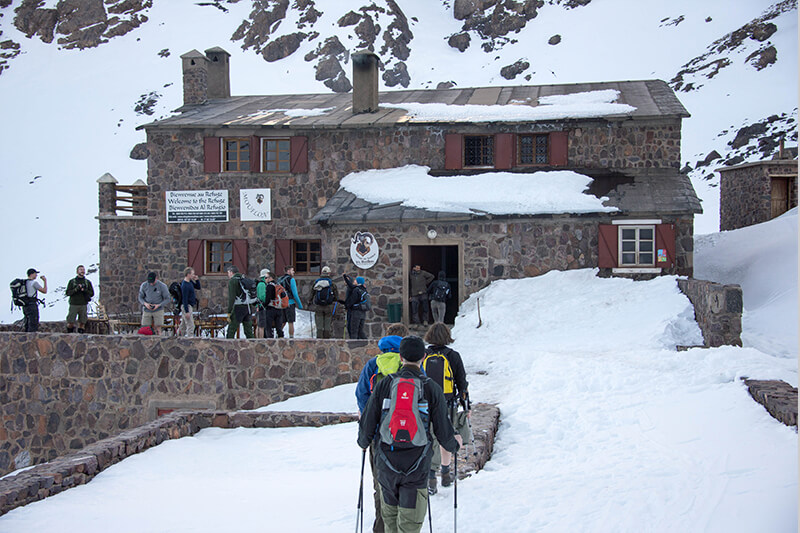
Toubkal
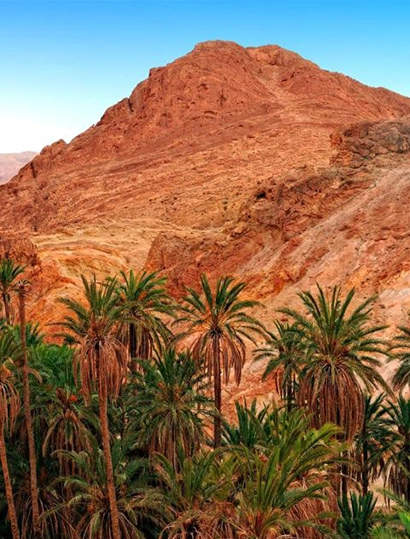
Agafay
Recent

High Atlas Mountains Trekking Guide: A Cultural Journey Through Morocco’s Majestic Peaks

High Atlas Mountains Morocco Travel Guide: Cultural Tourism Destination Strategy