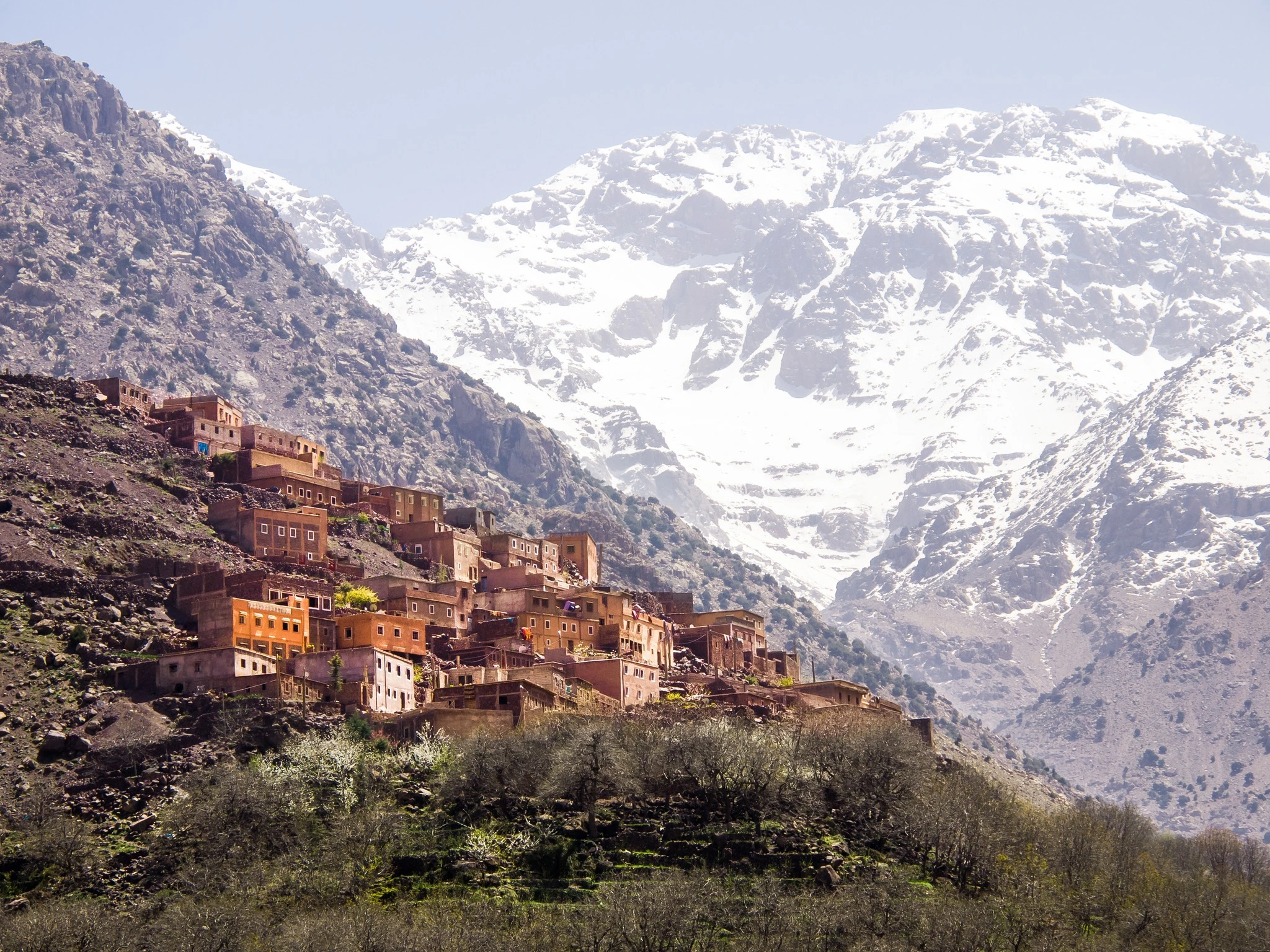
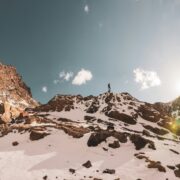
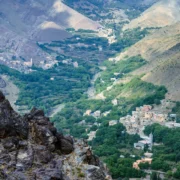
Nestled in the foothills of North Africa’s highest peaks, the charming Berber village of Imlil serves as the perfect base for adventurers seeking to discover the stunning atlas mountain range Morocco. As a cultural tourism destination strategy expert, I’ve witnessed how this picturesque hamlet has transformed from a simple farming community into a vibrant hub for trekkers and cultural enthusiasts. The village exemplifies how tailored travel and event solutions can authentically showcase Morocco’s rural treasures while supporting local communities and preserving ancient traditions. The contrast between Imlil’s traditional mud-brick houses and the towering peaks creates an unforgettable backdrop for visitors seeking authentic Moroccan experiences.
Step-by-Step Instructions for Exploring Imlil
1. Getting There: Begin your journey from Marrakech, traveling approximately 67km south through spectacular scenery. Shared grand taxis depart from Bab Er-Rob or arrange private transportation through agencies specializing in atlas mountain range Morocco experiences.
2. Accommodation Options: Choose between authentic guesthouses (riads), mountain lodges, or homestays with local Berber families. Each option provides unique cultural immersion opportunities.
3. Day One Exploration: Start with a guided village tour to understand local architecture, agricultural practices, and community life. Many tailored travel and event solutions providers can arrange personalized cultural demonstrations including traditional bread making or tea ceremonies.
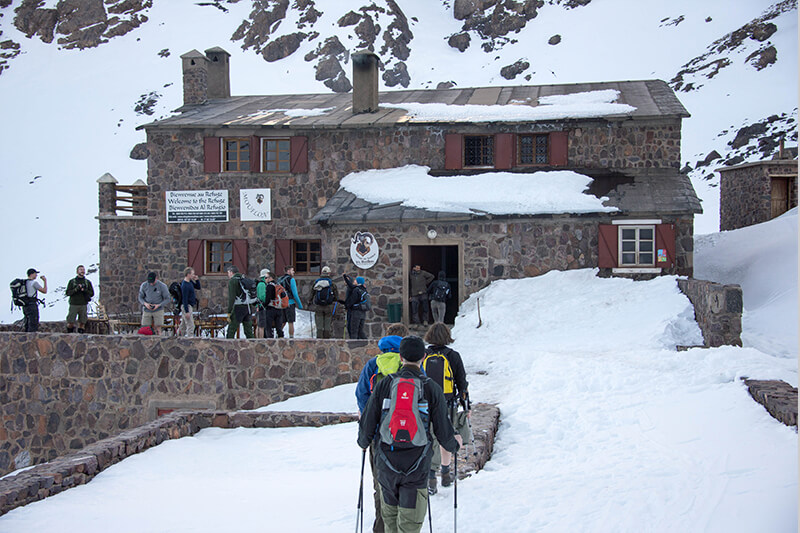
4. Hiking Adventures: Embark on treks ranging from gentle 2-hour walks to challenging multi-day expeditions. The path to Toubkal National Park offers breathtaking vistas of terraced fields, walnut groves, and snowcapped summits.
5. Cultural Immersion: Visit the weekly souk (market) to witness regional commerce in action. Engage with artisans creating traditional carpets, jewelry, and woodwork—cultural experiences that form the cornerstone of meaningful tourism.
Tips for an Authentic Experience
– Visit during spring (April-May) or fall (September-October) for ideal hiking conditions and fewer crowds.
– Respect local customs by dressing modestly, especially in village centers and homes.
– Learn basic Berber or Arabic phrases to connect more deeply with locals.
– Sample traditional mountain cuisine including tagines prepared with locally-grown ingredients.
– Support community initiatives by purchasing directly from village cooperatives rather than tourist shops.
– Carry cash as credit card facilities remain limited in this remote region.
Alternative Methods for Experiencing the Atlas Region
Luxury Retreat Option: For those seeking comfort alongside adventure, several boutique properties offer sophisticated accommodations with panoramic mountain views, combining traditional Berber aesthetics with modern amenities.
Cultural Workshops: Participate in immersive activities including traditional cooking classes, aromatic herb workshops, or music sessions featuring rhythmic Berber instruments.
Multi-Village Circuit: Expand your exploration beyond Imlil to nearby settlements including Armed, Tamatert, and Ait Souka, each offering unique architectural features and cultural nuances.
Specialized Themed Tours: Connect with agencies offering focused experiences around photography, botanical exploration, or historical pilgrimages that reveal different dimensions of the region.
Conclusion
Imlil represents the perfect synthesis of natural grandeur and cultural richness that defines the atlas mountain range Morocco experience. Whether scaling heights toward Toubkal’s summit or simply enjoying mint tea on a terrace overlooking ancient walnut groves, visitors discover authentic Morocco far from urban centers. The success of Imlil as a destination demonstrates how thoughtfully implemented tailored travel and event solutions can balance tourism development with cultural preservation. As you depart this mountain haven, you’ll carry not just photographs but a deeper understanding of Berber heritage, sustainable mountain living, and the timeless rhythms of village life that continue despite the modern world’s rapid advance.