

Creating Transformative Experiences: Cultural Tourism Destination Strategies
The majestic High Atlas Mountains Morocco travel guide represents the epitome of cultural tourism development, offering a blueprint for destinations seeking to craft immersive visitor experiences. As a seasoned destination strategist, I’ve witnessed how iconic landscapes transform into powerful tourism magnets when proper planning intersects with authentic cultural representation. The Atlas Mountains hiking trails exemplify this perfect balance – preserving natural beauty while creating accessible experiences for travelers seeking meaningful connections. Today’s sophisticated travelers demand more than passive sightseeing; they seek transformative journeys that blend adventure, cultural insight, and sustainable practices. This comprehensive approach to destination development integrates storytelling, community engagement, and strategic positioning to create tourism experiences that resonate globally.
Step-by-Step Instructions
1. Conduct Comprehensive Destination Assessment
Begin by thoroughly analyzing your destination’s unique attributes, much like we’ve done with the High Atlas Mountains Morocco travel guide. Document distinctive landscapes, cultural practices, historical significance, and existing tourism infrastructure. Identify both tangible assets (monuments, natural features) and intangible elements (traditions, cuisine, stories) that distinguish your location. Engage local stakeholders – from government officials to community elders – to gather diverse perspectives on tourism development priorities.
2. Define Your Destination Narrative
Craft a compelling story that captures your destination’s essence. For example, the Atlas Mountains hiking trails narrative brilliantly balances adventure tourism with Berber cultural heritage, creating multi-dimensional appeal. Your narrative should reflect authentic local identity while resonating with target audiences. Develop consistent messaging that communicates your destination’s unique value proposition across all platforms.
3. Create Strategic Tourism Products
Design experiential offerings aligned with your narrative. Consider:
– Cultural immersion workshops led by local artisans
– Curated food experiences showcasing regional cuisine
– Multi-day itineraries linking cultural sites with natural attractions
– Special events highlighting seasonal traditions
– Sustainable adventure experiences with community benefits
4. Develop Infrastructure & Capacity
Ensure your destination can deliver on its promises through:
– Training local guides and service providers
– Improving accessibility while preserving authenticity
– Creating interpretive materials in multiple languages
– Establishing quality standards for accommodations and services
– Implementing visitor management systems for sensitive sites
5. Execute Targeted Marketing Campaigns
Deploy multi-channel marketing strategies focused on ideal visitor segments. Combine digital presence (website, social media, virtual experiences) with strategic partnerships (tour operators, airlines, influencers) to amplify your destination’s narrative globally.
Tips
– Prioritize Sustainability: Implement visitor management systems that protect cultural and natural resources while ensuring positive experiences.
– Embrace Technology Thoughtfully: Use digital tools to enhance rather than replace authentic experiences – virtual previews should entice, not substitute.
– Center Local Communities: Ensure tourism development benefits residents through economic opportunities, cultural preservation, and enhanced quality of life.
– Monitor and Adapt: Establish key performance indicators beyond visitor numbers, measuring economic impact, community sentiment, and environmental effects.
Alternative Methods
Event-Centered Development Strategy
Instead of gradual tourism development, some destinations successfully use signature events as catalysts. This approach creates immediate visibility and concentrated economic impact. ATLAS MOUNTAIN RANGE excels at designing events that showcase destination highlights while building long-term tourism infrastructure.
Digital-First Destination Positioning
Some emerging destinations focus heavily on creating compelling digital presence before physical infrastructure development. This strategy allows for testing market interest and refining positioning before major investments.
Exclusive Positioning Strategy
Rather than pursuing volume, certain destinations deliberately limit access, creating premium experiences for fewer visitors. This approach can generate significant economic impact while minimizing cultural and environmental pressures.
Conclusion
A successful cultural tourism destination strategy requires balancing authentic preservation with innovative presentation. The High Atlas Mountains Morocco travel guide showcases how thoughtful development can transform natural landscapes and cultural heritage into compelling visitor experiences that benefit both travelers and communities. By following these strategic steps, destinations can create distinctive positioning that resonates in the competitive global tourism market. Remember that flexibility remains essential – the most successful destinations continuously refine their approaches based on visitor feedback and emerging trends. The Atlas Mountains hiking trails demonstrate this adaptive approach perfectly, evolving from basic trekking routes to sophisticated cultural corridors that deepen visitor appreciation while preserving the delicate mountain ecosystem. With strategic vision, community engagement, and attention to authenticity, destinations worldwide can develop tourism experiences that create lasting value for all stakeholders.

Table of Contents
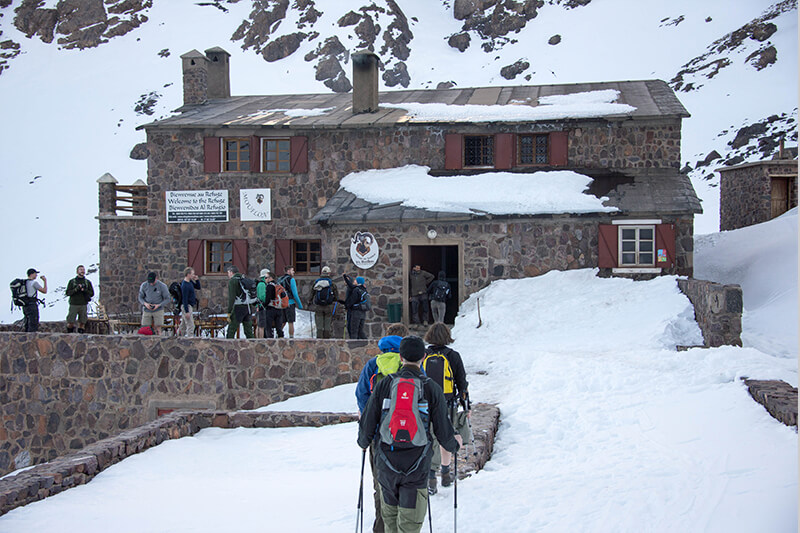
Toubkal
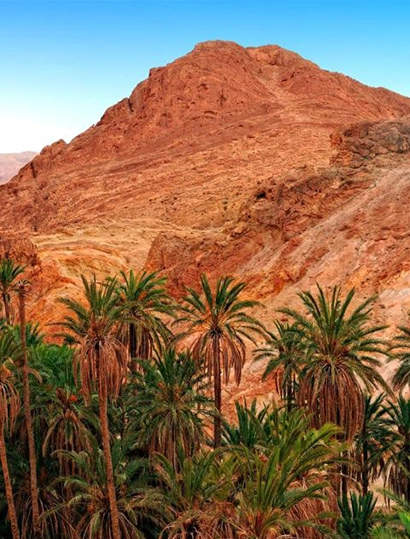
Agafay
Recent

High Atlas Mountains Trekking Guide: A Cultural Journey Through Morocco’s Majestic Peaks

High Atlas Mountains Morocco Travel Guide: Cultural Tourism Destination Strategy