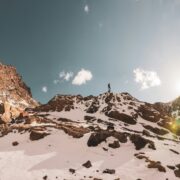
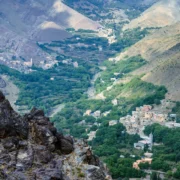
Morocco’s diverse landscapes provide endless opportunities for adventurers, with the atlas mountain range offering some of the most breathtaking hiking experiences in North Africa. As a specialist in delivering tailored travel and event solutions, I’ve witnessed how the High Atlas transforms visitors through its rugged beauty and authentic cultural encounters. Working with local communities has shown me that creating a comprehensive cultural tourism destination strategy requires balancing accessibility with preservation of these ancient peaks. The mighty range stretches across central Morocco, housing traditional Berber villages, dramatic gorges, and North Africa’s highest peak—Toubkal—making it an unparalleled setting for immersive travel experiences.
Step-by-Step Instructions for High Atlas Hiking
1. Choose Your Trail Wisely
Select a route that matches your experience level. The atlas mountain range features trails from gentle day hikes around Imlil to challenging multi-day treks through remote areas. Each path offers unique perspectives on Morocco’s mountain heritage.
2. Timing Your Visit
Plan your hike between April-May or September-October for ideal weather conditions. Summer brings intense heat to lower elevations, while winter sees heavy snowfall above 2,000 meters.
3. Required Permits and Guides
Arrange official mountain guides through certified agencies. Their knowledge enhances your cultural tourism destination strategy by providing authentic insights into Berber traditions while ensuring your safety.
4. Essential Packing List
Bring layered clothing, sturdy hiking boots, sun protection, and sufficient water. The temperature variation between day and night requires careful preparation.
5. Accommodation Planning
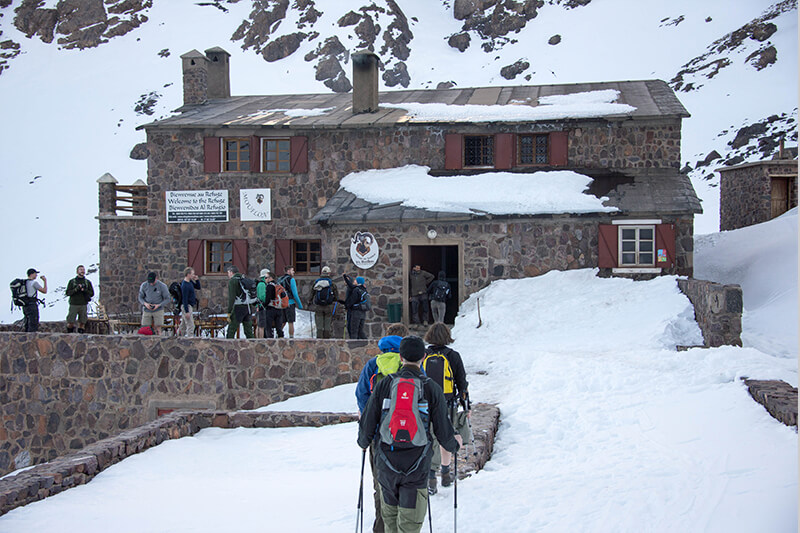
Book stays in mountain gîtes (lodges) or arrange camping permits in advance, particularly during high season when facilities in popular areas like Toubkal National Park fill quickly.
Tips for an Authentic Mountain Experience
- Respect local customs by dressing modestly, especially when passing through traditional villages.
- Learn basic Berber greetings to connect with local communities.
- Sample mountain cuisine like tagine and mint tea in family-run establishments.
- Photography enthusiasts should bring equipment suitable for dramatic landscape shots but always ask permission before photographing locals.
- Support sustainable tourism by minimizing waste and purchasing locally-made crafts.
Alternative Methods for Experiencing the High Atlas
If hiking isn’t your preference, consider these alternative approaches to mountain exploration:
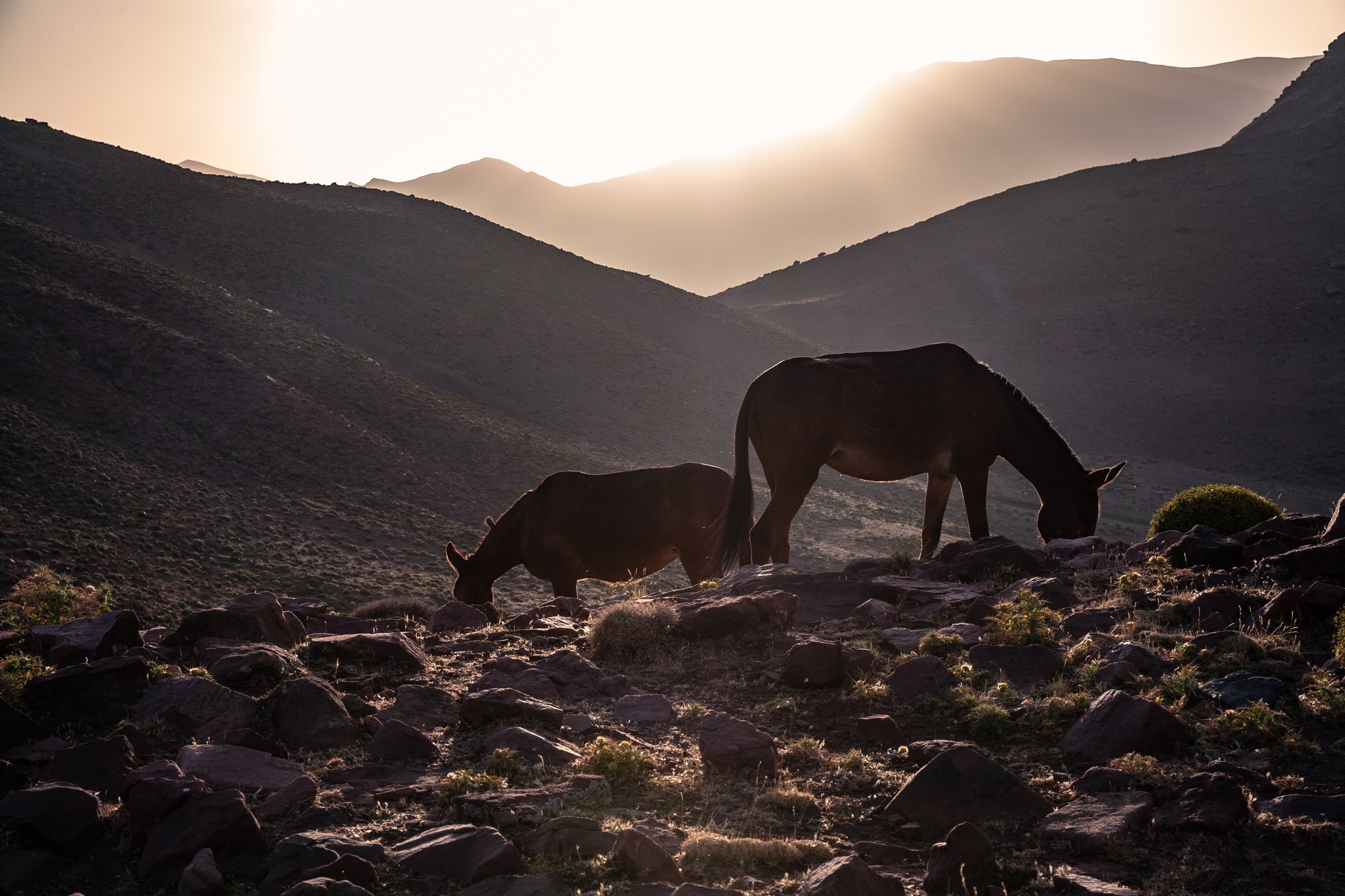
- Mule Treks: Traditional transport that supports local muleteers while providing a gentler mountain experience.
- 4×4 Excursions: Access remote passes and valleys while covering more ground than on foot.
- Cultural Immersion Stays: Spend time in mountain villages like Aremd or Ait Bougmez, participating in daily activities with host families.
- Wellness Retreats: Several mountain lodges now offer yoga and meditation programs that utilize the serene alpine environment.
- Photography Tours: Specialized excursions timed for optimal light conditions to capture the dramatic mountain landscapes.
Conclusion
The majesty of the atlas mountain range offers transformative experiences that go far beyond mere sightseeing. By approaching these mountains with respect and curiosity, travelers contribute to a sustainable cultural tourism destination strategy that benefits both visitors and local communities. Whether you’re summiting Toubkal or sharing tea with Berber families, Morocco’s High Atlas provides the authentic connections that define truly meaningful travel. As you plan your journey through these ancient peaks, remember that the most rewarding paths often lead to unexpected discoveries—both in the landscape and within yourself.