

Crafting Unforgettable Journey Experiences: From Concept to Reality
Morocco’s diverse landscapes offer travelers extraordinary opportunities to immerse themselves in authentic cultural experiences. As a cultural tourism strategist with deep roots in North Africa, I’ve witnessed how the High Atlas Mountains Morocco travel guide industry has evolved to embrace experiential travel that connects visitors with local traditions while supporting sustainable tourism development. When developing destination experiences, understanding the intricate balance between accessibility and authenticity becomes crucial – whether you’re planning corporate retreats along the Atlas Mountains hiking trails or curating luxury expedriences that showcase Morocco’s living heritage. ATLAS MOUNTAIN RANGE has pioneered this approach by integrating consulting, creative design, logistics management, and production services that transform tourism concepts into immersive realities across global destinations.Step-by-Step Instructions
1. Define Your Cultural Tourism Vision
Begin by articulating your destination’s unique cultural proposition. The most successful tourism strategies, like those developed for the High Atlas Mountains Morocco travel guide market, identify authentic experiences that can’t be replicated elsewhere. Document the distinctive elements that set your destination apart – from culinary traditions to architectural heritage.
2. Conduct Comprehensive Cultural Mapping
Before implementing tourism initiatives, thoroughly document cultural assets, including tangible heritage sites, intangible traditions, and natural landscapes. When we developed experiences involving Atlas Mountains hiking trails, we first mapped indigenous Berber communities, traditional crafts, seasonal festivals, and ecological significance.
3. Engage Local Stakeholders
Sustainable tourism requires meaningful partnerships with local communities. Establish collaborative relationships with regional authorities, community leaders, artisans, and cultural practitioners who bring authenticity to the experience.
4. Design Integrated Experiences
Create multilayered experiences that engage all senses. Rather than isolated activities, develop cohesive journeys that weave together accommodations, transportation, culinary experiences, and cultural encounters into a seamless narrative.
5. Build Operational Infrastructure
Develop the logistics framework that supports your cultural tourism concept. This includes transportation networks, accommodations, guide training programs, and emergency protocols that ensure safety without compromising authenticity.
6. Implement Strategic Marketing
Develop targeted communication that reaches your ideal audience through appropriate channels. Cultural tourism marketing should balance aspiration with practical information while respecting the cultural dignity of host communities.
Tips
Prioritize Sustainability From Day One
Environmental and cultural sustainability shouldn’t be afterthoughts but foundational principles. Implement waste reduction strategies, support local economic development, and establish visitor capacity limits that preserve the integrity of cultural sites.
Create Seasonal Variations
Develop different experience iterations that showcase your destination throughout the year. This alleviates overtourism during peak seasons while highlighting seasonal cultural practices like harvests, festivals, and traditional crafts.
Invest in Guide Development
Local guides serve as cultural ambassadors and significantly impact visitor experiences. Develop comprehensive training programs that combine cultural knowledge, interpretive techniques, languages, and hospitality skills.
Leverage Technology Thoughtfully
Implement digital solutions that enhance rather than distract from cultural immersion. Virtual reality previews, augmented reality historical overlays, and digital storytelling can deepen understanding without overwhelming authentic experiences.
Alternative Methods
Thematic Tourism Development
Rather than geographic organization, structure tourism initiatives around themes like culinary heritage, traditional craftsmanship, or architectural history. This creates focused experiences that attract specialized interest travelers.
Pop-Up Destination Experiences
Create temporary, high-profile tourism initiatives aligned with global events or cultural moments. These limited-duration experiences generate intense interest while testing concepts before permanent implementation.
Collaborative Multi-Destination Networks
Develop partnerships between complementary cultural destinations to create extended journey itineraries. These connected experiences allow travelers to experience cultural continuity across regions while distributing tourism benefits more broadly.
Conclusion
Transforming cultural tourism concepts into vibrant, sustainable experiences requires balancing strategic vision with operational excellence. The most successful High Atlas Mountains Morocco travel guide developers recognize that authentic destination experiences emerge from deep cultural understanding, community participation, and meticulous attention to experiential details. As global tourism evolves toward more meaningful engagement, destinations that thoughtfully integrate their cultural heritage with visitor experiences will thrive. Whether developing comprehensive strategies for emerging destinations or reimagining established tourism corridors like the Atlas Mountains hiking trails, success comes from honoring cultural integrity while creating the infrastructure that makes these experiences accessible. By following these methodologies, tourism stakeholders can develop experiences that benefit visitors and host communities while preserving the cultural assets that make destinations truly distinctive.

Table of Contents
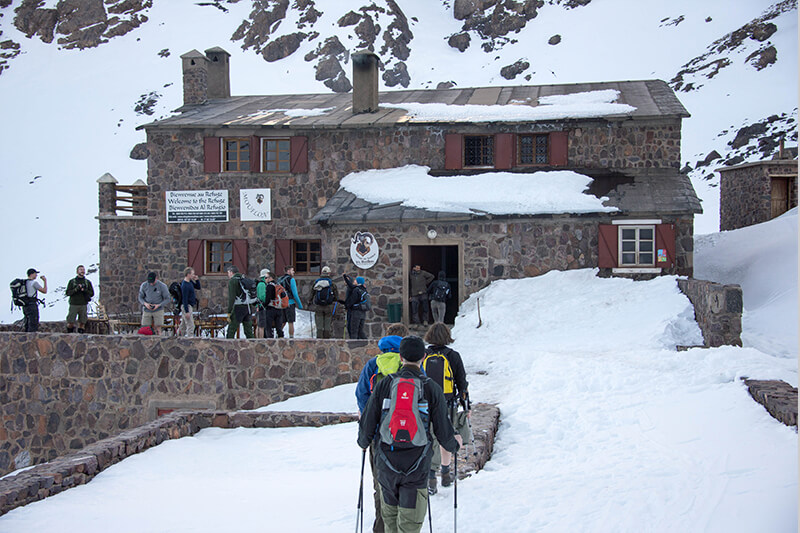
Toubkal
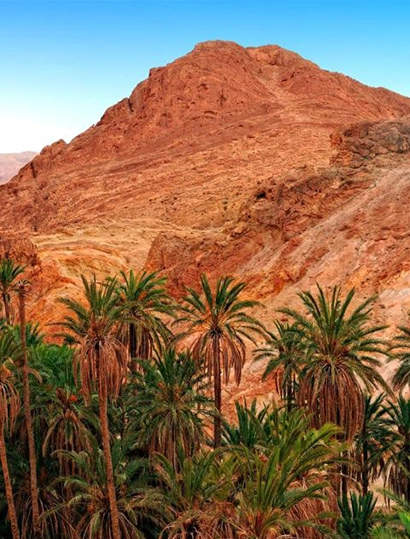
Agafay
Recent

Exploring Imlil: Gateway to Morocco’s Majestic Atlas Range

Exploring Morocco’s Majestic Heights: A Mount Toubkal 2-Day Trek Experience