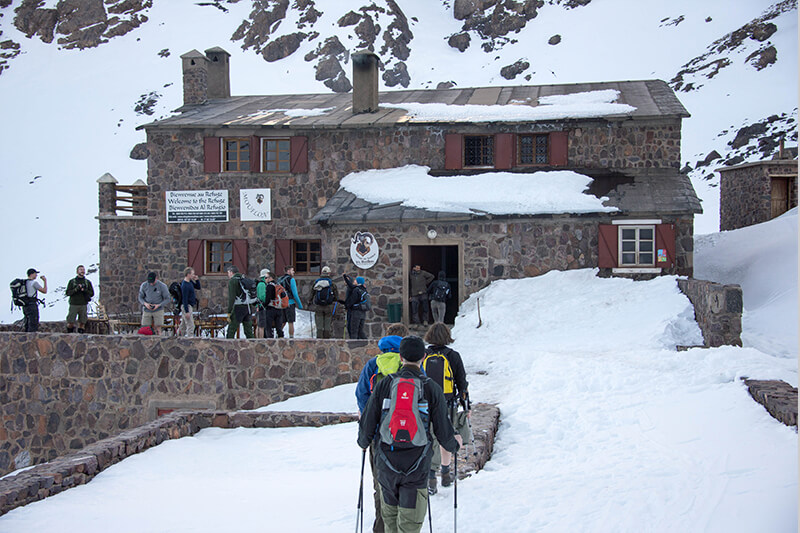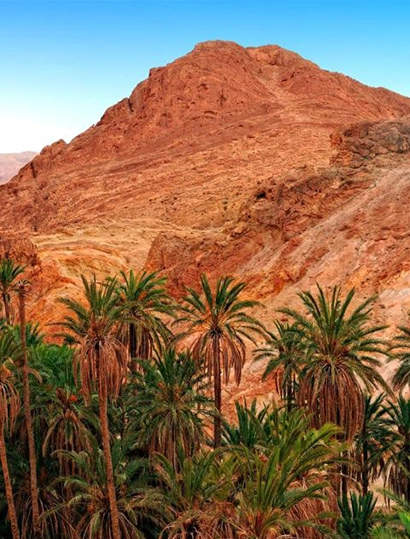
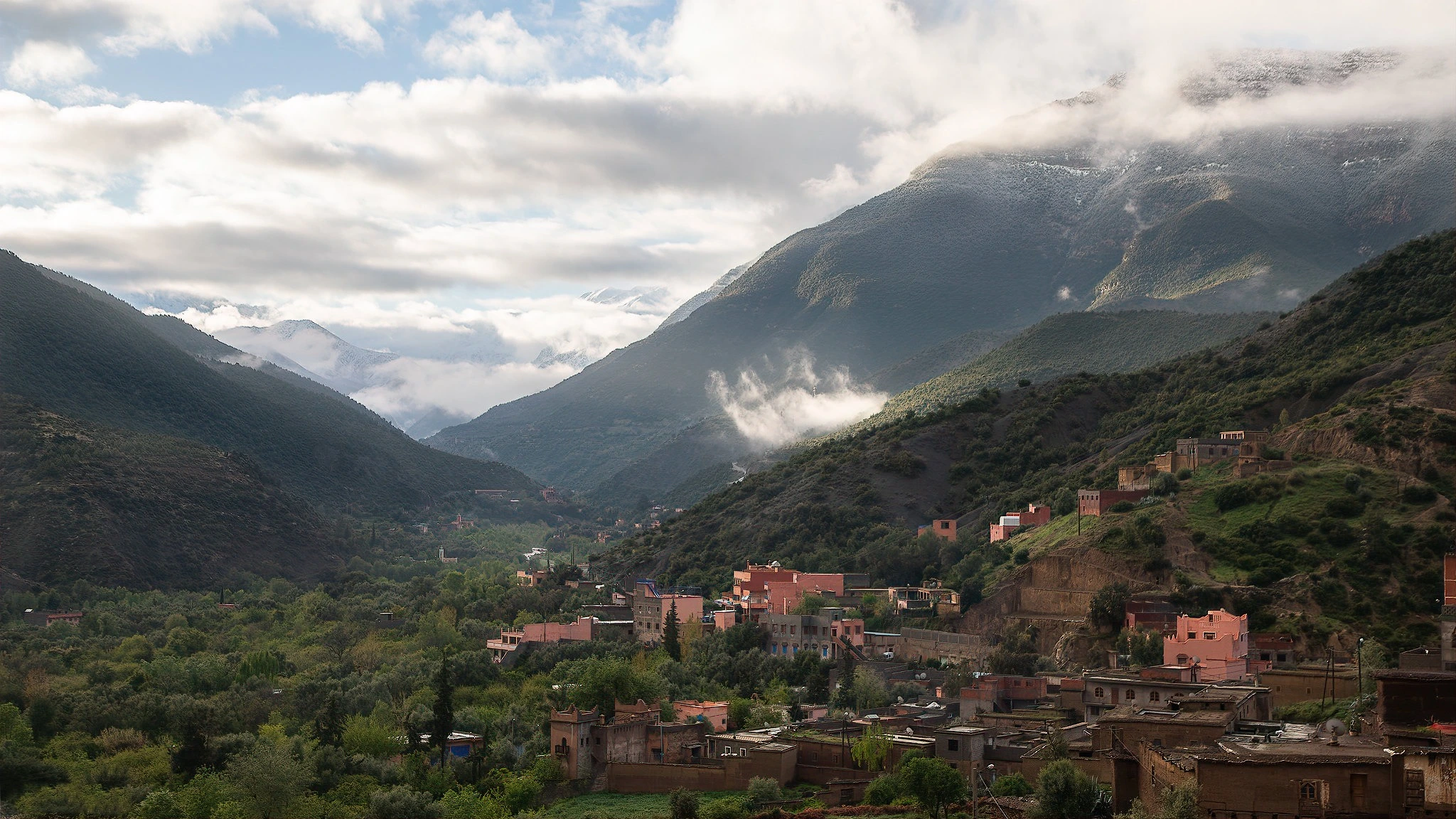
When designing immersive experiences in Morocco, discerning travelers often debate between Ourika Valley and Imlil for authentic mountain encounters. Both destinations showcase the magnificent atlas mountain range Morocco, offering distinctive cultural immersion opportunities within striking distance of Marrakech. For international visitors seeking bespoke experiences, local agencies that understand both locations can craft itineraries that balance adventure with authenticity. As a travel specialist who has guided countless visitors through these terrains, I’ve observed how the right cultural tourism destination strategy transforms a simple mountain visit into a profound journey through Berber heritage and spectacular landscapes.
Step-by-Step Instructions for Experiencing Both Destinations
Day 1: Ourika Valley Exploration
1. Begin your journey early from Marrakech (approximately 1-hour drive)
2. Visit the Setti Fatma waterfalls, allowing 2-3 hours for the moderately challenging hike
3. Arrange lunch at a riverside restaurant featuring traditional Berber cuisine
4. Explore local argan oil cooperatives run by women’s collectives
5. Visit a traditional Berber home for mint tea and cultural exchange
Day 2: Imlil Adventure
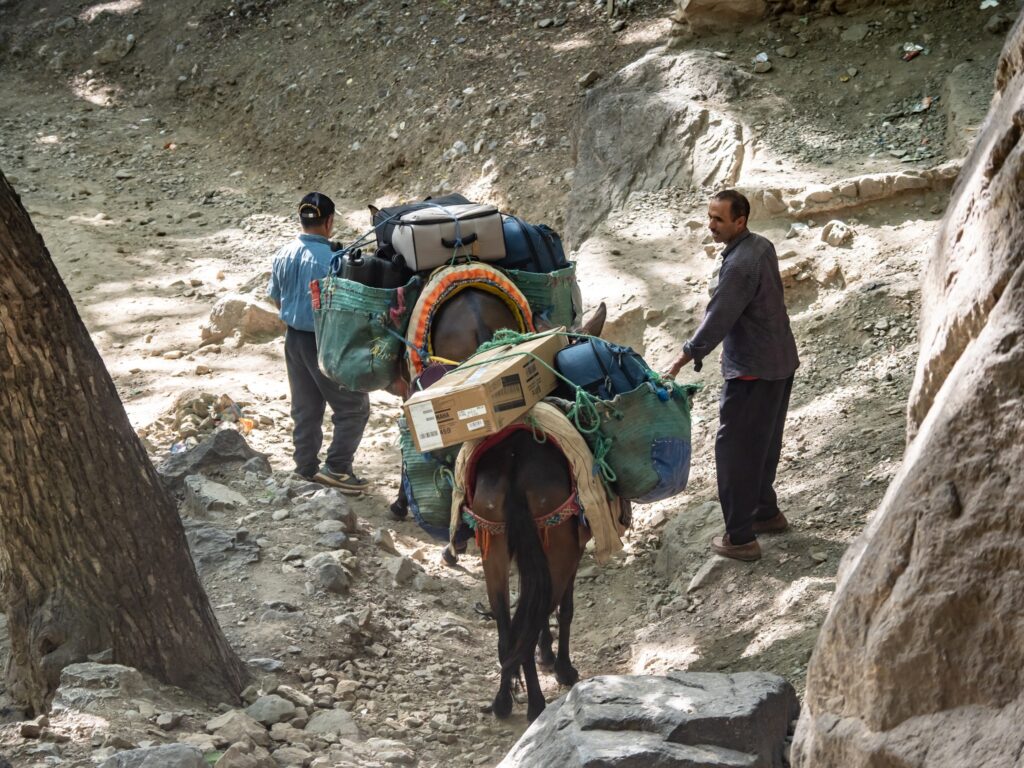
1. Depart Marrakech for Imlil (approximately 1.5-hour drive)
2. Begin at Imlil village center to arrange local guides familiar with the atlas mountain range Morocco
3. Trek to Armed village (2-hour moderate hike)
4. Experience lunch in a traditional mountain guesthouse
5. Visit apple and walnut orchards that form the backbone of local agriculture
Day 3: Compare and Connect
1. Consider combining insights from both destinations into your cultural tourism destination strategy
2. Document architectural differences between Ourika’s riverside settlements and Imlil’s cliff-hugging villages
3. Photograph distinctive craft traditions unique to each region
4. Engage with local guides to understand seasonal variations and authentic festivals
Tips for Maximizing Your Mountain Experience
– Visit Ourika Valley on Mondays to experience the bustling weekly souk (market)
– In Imlil, arrange accommodation with rooftop terraces for stunning mountain vistas
– Pack layers regardless of season – mountain temperatures fluctuate dramatically
– Respect local customs by dressing modestly, especially in remote villages
– Carry small denominations of dirhams for purchases in rural areas without card facilities
– Consider shoulder seasons (April-May or September-October) for ideal hiking weather
Alternative Methods of Exploration
Multi-Day Trekking
For adventurous travelers, consider a 3-4 day trek connecting both regions with overnight stays in remote Berber villages, offering deeper cultural immersion.
Specialized Interest Tours
– Botanical enthusiasts: Focus on medicinal plant traditions in both valleys
– Photography workshops: Capture distinctive light conditions across different valleys
– Culinary exploration: Arrange cooking classes highlighting regional differences
– Craft workshops: Learn traditional Berber weaving techniques specific to each area
Luxury Wellness Experience
Several eco-lodges now offer spa treatments using local ingredients like atlas cedar and saffron, while providing panoramic mountain views.
Conclusion
The comparison between Ourika Valley and Imlil reveals complementary facets of Morocco’s diverse mountain heritage rather than competing attractions. The verdant, water-rich landscapes of Ourika contrast beautifully with Imlil’s dramatic high-altitude terrain beneath Toubkal, North Africa’s highest peak. When designing journeys through the atlas mountain range Morocco, sophisticated travelers benefit from incorporating both destinations into their itinerary, creating a comprehensive cultural tourism destination strategy that balances accessibility with authenticity. Whether you seek vibrant marketplaces, challenging treks, or intimate cultural exchanges, these twin jewels of the High Atlas offer transformative experiences that reveal Morocco’s remarkable mountain heritage.