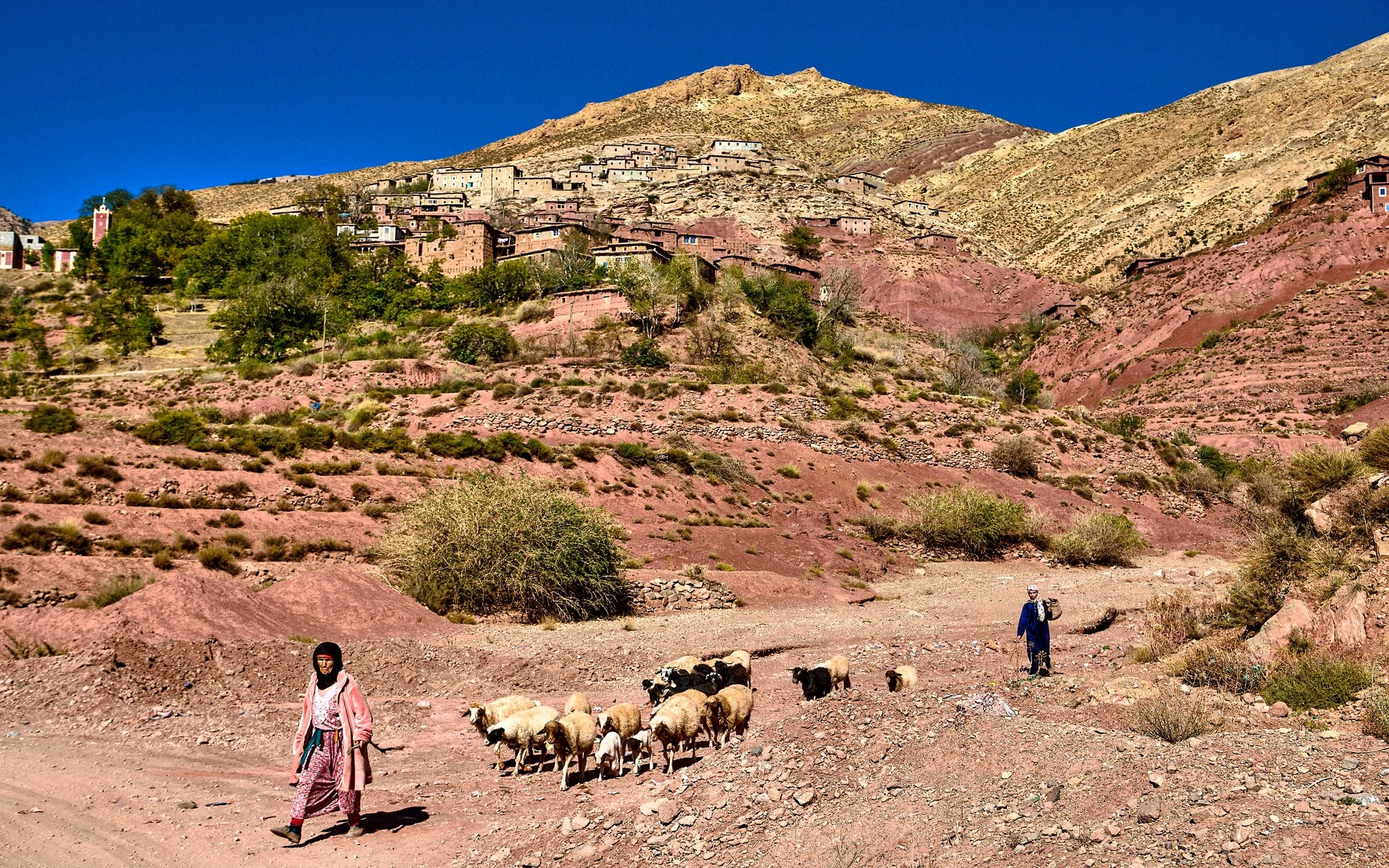
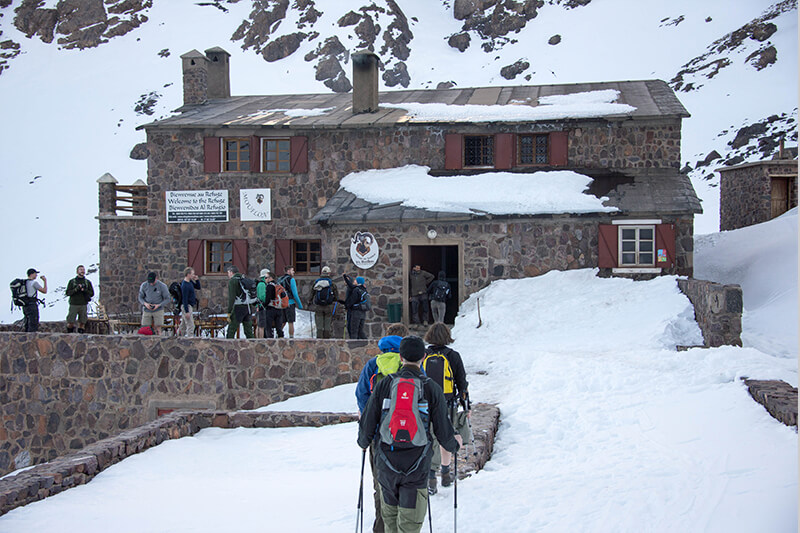
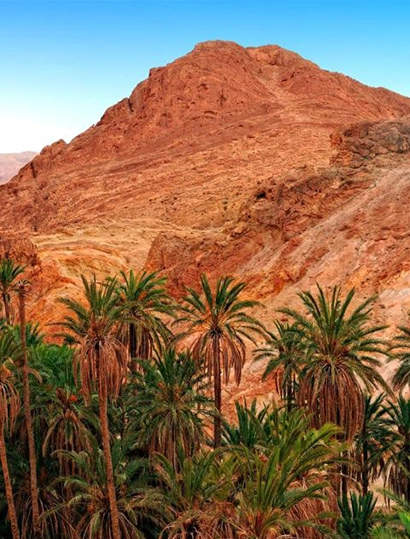
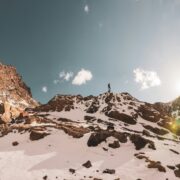
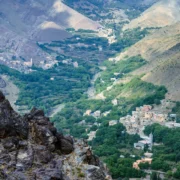
The majestic atlas mountain range in Morocco represents far more than a stunning backdrop of snow-capped peaks and dramatic valleys—it embodies the living heritage of Berber culture that has thrived here for millennia. As international travelers increasingly seek authentic experiences, delivering tailored travel and event solutions atlas mountain range Morocco has become a cornerstone of the country’s cultural tourism destination strategy. These mountains cradle ancient traditions, unique architecture, and vibrant village life that remain largely unchanged despite the modern world’s advances. Through carefully curated High Atlas cultural tours, visitors gain privileged access to this remarkable world where hospitality isn’t merely offered—it’s an ancestral obligation deeply woven into the social fabric.
Step-by-Step Instructions for Planning Your High Atlas Cultural Experience
1. Determine Your Cultural Interests: Begin by identifying what aspects of Berber culture intrigue you most—traditional crafts, culinary traditions, music, architecture, or agricultural practices.
2. Select Your Season: Each season in the atlas mountain range Morocco offers distinct cultural experiences. Spring brings vibrant festivals, summer allows access to high-altitude settlements, autumn showcases harvest traditions, while winter reveals how communities have adapted to mountain conditions for centuries.
3. Choose Your Base: Marrakech serves as the primary gateway, while Ouarzazate offers southern access. Both provide excellent launching points for High Atlas cultural tours.
4. Connect with Specialized Agencies: Seek agencies dedicated to delivering tailored travel and event solutions atlas mountain range Morocco that emphasize cultural immersion rather than superficial tourist experiences. Look for those employing local guides from Berber communities.
5. Plan Village Stays: Arrange overnight stays in traditional villages like Imlil, Armed, or Aremd to experience authentic Berber hospitality.
6. Prepare Culturally: Learn basic Amazigh (Berber) greetings and cultural etiquette to show respect and enhance interactions with local communities.
7. Pack Appropriately: Bring modest clothing that respects local sensibilities while being suitable for mountain conditions that can change rapidly.
Tips for Meaningful Cultural Engagement
- Support community-based tourism initiatives that ensure economic benefits remain within local villages
- Participate in traditional activities like bread-making, tea ceremonies, or carpet weaving
- Visit on market days when nearby communities gather to trade goods
- Request permission before photographing people or private spaces
- Bring small, thoughtful gifts rather than candy or money when visiting homes
Alternative Methods for Experiencing High Atlas Culture
While guided cultural tours provide the most comprehensive experience, alternative approaches exist for travelers with different preferences or constraints:
- Day Trips from Marrakech: For those with limited time, focused day excursions to accessible villages provide cultural glimpses.
- Specialized Workshops: Participate in dedicated craft workshops with master artisans in fields like pottery, weaving, or metalwork.
- Cultural Festivals: Plan your visit around seasonal celebrations like moussems (saint festivals) or harvest celebrations.
- Trekking with Cultural Focus: Combine physical adventure with cultural discovery by hiking between villages with knowledgeable guides.
Conclusion
The cultural wealth of Morocco’s High Atlas communities offers profound experiences for travelers seeking authenticity beyond typical tourist paths. The most successful High Atlas cultural tours balance respectful engagement with genuine human connection, creating memories that transcend typical tourism. As Morocco continues developing its cultural tourism destination strategy, the atlas mountain range remains an unparalleled resource of living heritage. By embracing experiences that prioritize cultural preservation and community benefit, travelers contribute to sustainable tourism that honors rather than diminishes this precious cultural landscape. The rewards—a deeper understanding of traditional wisdom, warm hospitality, and timeless ways of life—represent Morocco at its most authentic.