Berber Villages in High Atlas: An Authentic Cultural Journey into Morocco’s Mountain Life
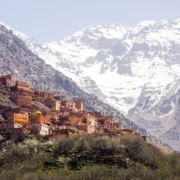
The rugged landscapes of the High Atlas mountains cradle some of Morocco’s most precious cultural treasures – the traditional Berber villages in High Atlas that have remained largely unchanged for centuries. As someone who has spent countless days wandering these mountainous paths, I can tell you that experiencing an authentic High Atlas Berber cultural immersion is unlike anything else Morocco offers. These stone-and-mud hamlets perched dramatically on mountainsides tell stories of resilience, community, and ancient traditions that continue to thrive despite modernization elsewhere in the country.
The Rich Cultural Heritage of High Atlas Berber Communities
History and Origins of Berber Mountain Settlements
The Indigenous Amazigh (Berber) people have inhabited North Africa for over 12,000 years. In the High Atlas, these communities retreated to increasingly remote mountain locations during various historical invasions, developing unique architectural styles and cultural practices adapted to the harsh mountain environment.
Each village represents generations of knowledge passed down – from agricultural techniques suited to terraced farming to intricate weaving patterns that tell family histories. The isolation of these communities has inadvertently preserved cultural elements that have disappeared elsewhere.
Daily Life and Traditional Customs
Life in these mountain communities follows rhythms established centuries ago. Women manage households and practice traditional crafts, creating colorful rugs whose designs are unique to specific villages. Men typically handle agriculture, tending to walnut groves and terraced fields of barley.
The communal oven (farran) remains the heart of many villages, where families bring daily bread to bake and exchange news. This social hub exemplifies the cooperative spirit that makes survival possible in such challenging terrain.
Must-Visit Berber Villages in High Atlas Mountains
Imlil: Gateway to Traditional Mountain Life
Nestled at 1,740 meters beneath Toubkal, North Africa’s highest peak, Imlil serves as the perfect introduction to Berber mountain culture. Though more developed than deeper mountain settlements, it retains authentic character while offering comfortable accommodations for travelers seeking a gentle transition into mountain life.
Aroumd (Armed): Traditional Architecture Preserved
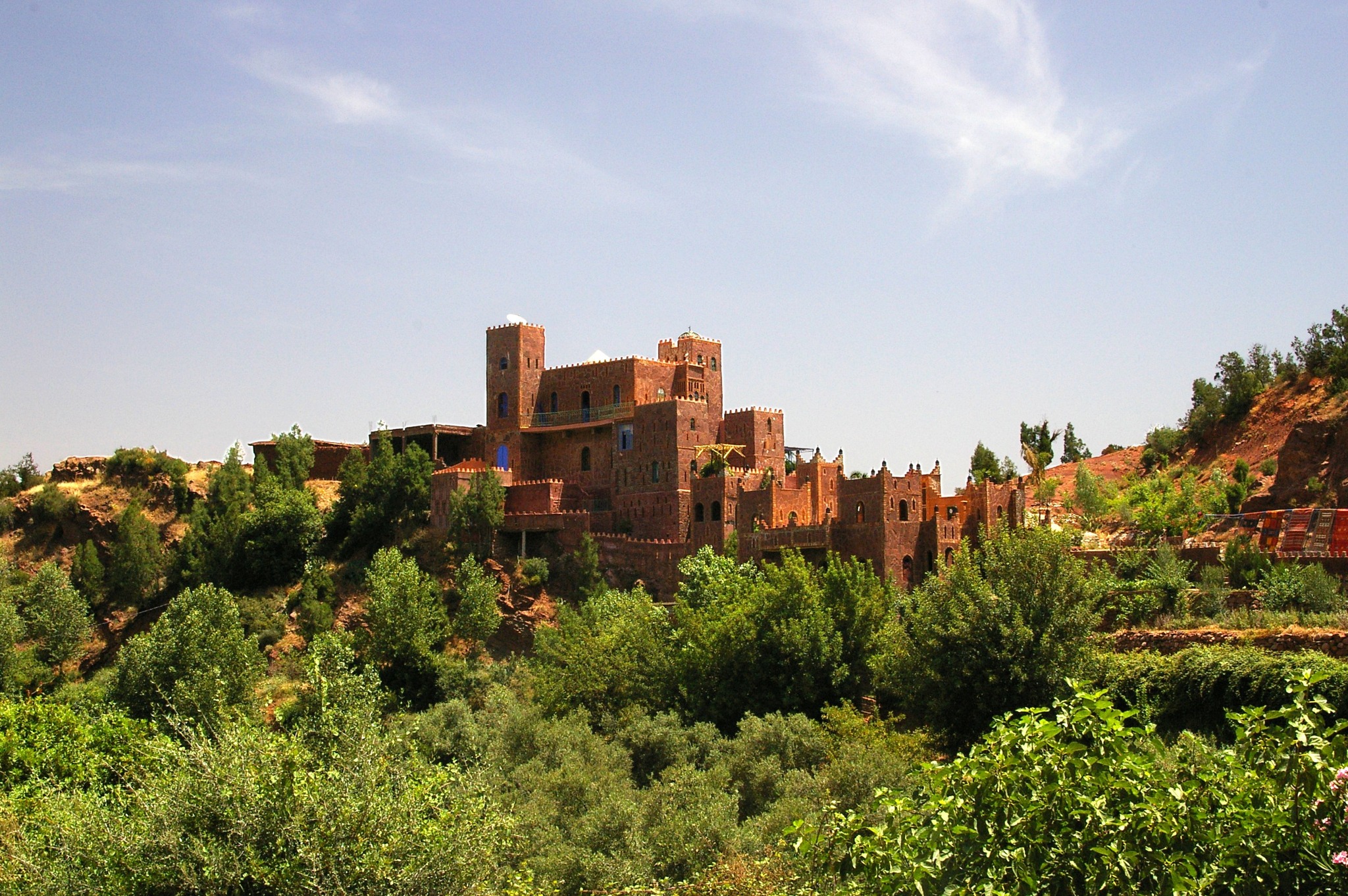
Just above Imlil, Aroumd showcases classic Berber architecture with flat-roofed stone houses clustered tightly together for protection against winter cold. The village’s position offers spectacular valley views and serves as base camp for those hiking Toubkal.
Hidden Gems: Ouirgane and Azzaden Valley
For those seeking a deeper Berber villages in High Atlas experience, the settlements of the Azzaden Valley offer glimpses into truly traditional lifestyles. Here, weekly souks still operate as they have for centuries, with bartering rather than fixed prices. The terraced agricultural systems surrounding these villages demonstrate ingenious water management techniques developed over generations.
Planning Your Authentic High Atlas Berber Cultural Immersion
Best Times to Visit
Spring (April-May) and autumn (September-October) offer ideal weather conditions. Spring brings wildflowers and green landscapes, while autumn harvests mean villages bustle with agricultural activity. Summer can be pleasantly cool compared to lowland areas, while winter brings snow that sometimes isolates villages.
Respectful Cultural Engagement
When visiting, remember these communities welcome respectful visitors but aren’t tourist attractions. Some guidelines:
– Dress modestly (shoulders and knees covered)
– Ask permission before photographing people
– Consider hiring local guides who facilitate meaningful cultural exchange
– Learn basic Amazigh greetings
– Support community cooperatives rather than haggling aggressively
Transportation and Logistics
While Imlil is accessible by grand taxi or private transport from Marrakech (approximately 90 minutes), reaching more remote villages requires either hiking or hiring a local guide with appropriate transportation. Many communities can only be accessed on foot or by mule, adding to their authentic character.
Accommodation options range from guesthouses in larger villages to traditional homestays in smaller settlements. The latter provides the most immersive cultural experience, allowing visitors to share meals and daily life with local families.
Conclusion and Invitation
The Berber villages in High Atlas mountains offer more than picturesque scenery – they provide windows into living traditions maintained for centuries. An authentic High Atlas Berber cultural immersion connects travelers with Morocco’s Indigenous heritage in ways impossible to experience in urban centers. These mountain communities, with their distinctive architecture, craft traditions, and agricultural practices, represent Morocco’s cultural heart.
Have you experienced life in Morocco’s mountain villages? What aspects of Berber culture most intrigued you? Share your stories in the comments below, and let’s celebrate these remarkable communities together!

Table of Contents
Toubkal
Agafay
Recent
Exploring Imlil: Gateway to Morocco’s Majestic Atlas Range
Exploring Morocco’s Majestic Heights: A Mount Toubkal 2-Day Trek Experience